
17 March, 2026
What is a Microgrid
With the ongoing energy transition and the widespread adoption of renewable energy, microgrids are becoming a critical component of modern energy systems. They not only enhance the resilience of the power system but also provide economic and environmental benefits. This article offers a comprehensive overview of microgrids, covering definitions, features, operating principles, key components, design considerations, and market outlook, giving you a clear understanding of this emerging power system.
What is A Microgrid
A microgrid is a small, modular power system that integrates distributed generation, energy storage, and intelligent control, providing complete power generation, distribution, and consumption functionality.
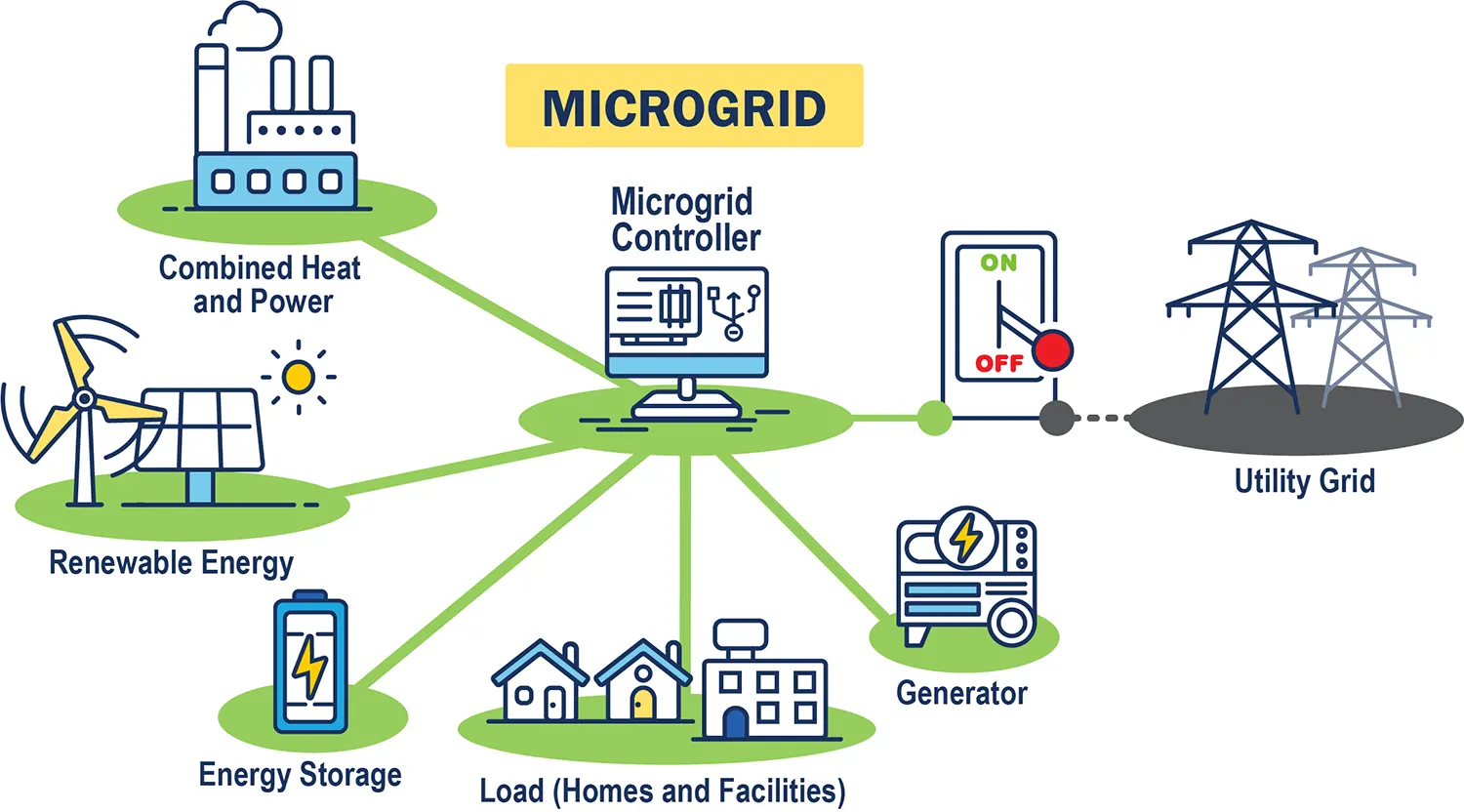
The U.S. Department of Energy (DOE) defines a microgrid as “a group of interconnected loads and distributed energy resources within clearly defined electrical boundaries that acts as a single controllable entity with respect to the grid and can operate in either grid-connected or island mode.”
A microgrid can operate in coordination with the main grid or independently during grid outages.
Features of Microgrids
Locality
Microgrids typically serve specific areas, such as university campuses, hospital complexes, industrial parks, communities, or islands. Power is generated close to the point of use (distributed generation), significantly reducing long-distance transmission losses. According to Schneider Electric, total losses from power plants to end users in conventional grids range from 8% to 15%, whereas microgrids minimize line losses, requiring less power to meet the same demand.
Independence
Microgrids can disconnect from the main grid and operate autonomously in the event of a grid failure, known as “island mode.” Imagine a tree falling on power lines causing a wide-scale outage, sometimes spanning borders; it could take hours or even more than ten hours to restore service. Facilities connected to a microgrid remain operational, which is particularly critical for hospitals, military bases, and other essential infrastructure.
Intelligence
Intelligent microgrids use sensors, automation, and control systems to optimize energy generation, storage, and distribution, achieving a synergistic effect (1+1>2), rapidly responding to load changes or supply disruptions, and enhancing system efficiency and reliability.
How Microgrids Work
Microgrids operate in two modes: grid-connected and islanded.
Grid-Connected Mode
When the main grid is functioning normally, the microgrid connects to the grid. It can draw power when local generation is insufficient, and feed excess solar or wind energy back into the grid when generation exceeds demand.
Island Mode
When abnormalities occur in the main grid, such as extreme weather, faults, or voltage instability, the microgrid quickly disconnects from the grid. This process is usually automatic and nearly imperceptible to users.
In island mode, the microgrid relies entirely on its own generation and storage systems. Control systems prioritize critical loads, such as hospital operating rooms, telecom equipment, or data centers, while adjusting or limiting non-essential loads to prevent system overload.
Why Microgrids Matter
Enhance Power System Resilience
Microgrids’ most significant value lies in enhancing power system resilience, especially in remote areas or regions prone to natural disasters.
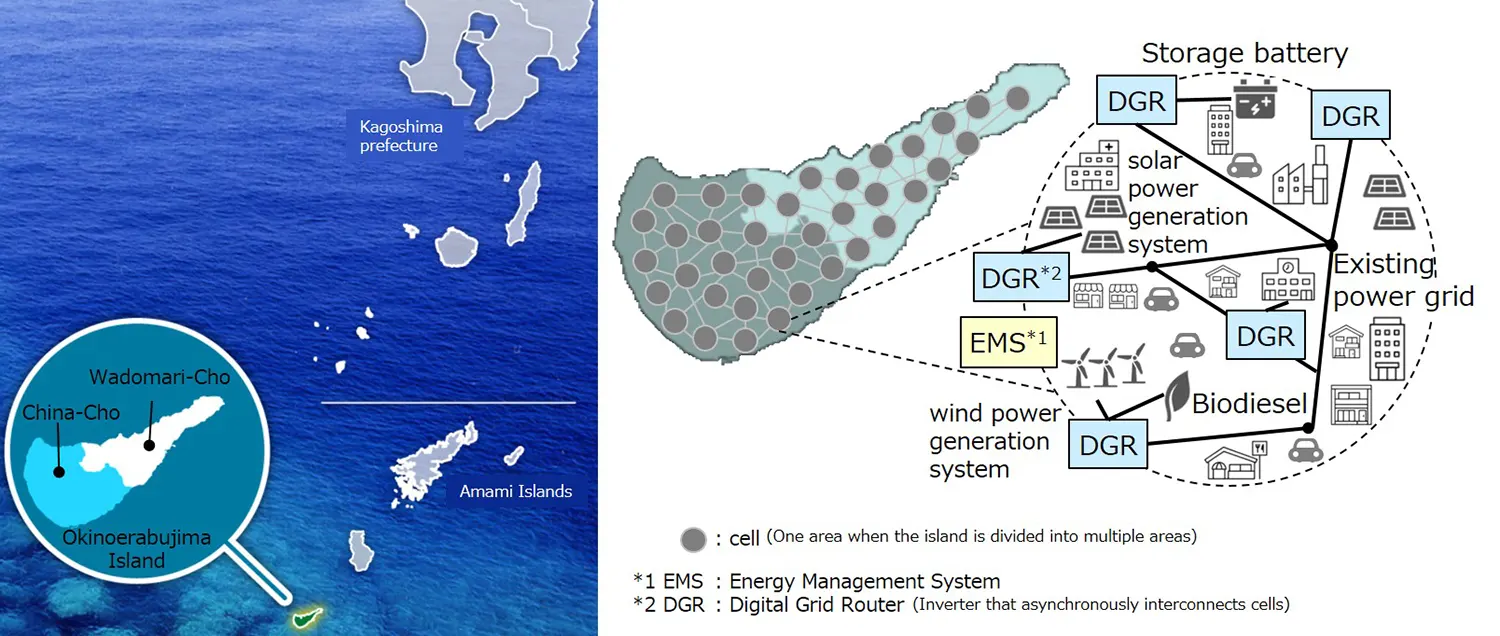
Before 2022, residents on Japan’s Okinoerabu Island relied on diesel generators, emitting significant greenhouse gases. Typhoons and other natural disasters frequently caused outages, sometimes taking days to restore power.
Kyocera partnered with two towns on Okinoerabu Island to build a renewable energy microgrid. The project uses solar, wind, and battery storage to power the entire island, achieving near-zero carbon emissions, reducing diesel dependency, and enhancing power reliability during disasters.
Economic Benefits
Beyond enhancing resilience, microgrids can generate economic returns. Excess clean energy can be sold to the main grid. In regions with significant peak-to-off-peak price differences, microgrids can store energy at low prices and release or sell it at high prices, earning profits through arbitrage.
For example, Pittsburgh International Airport reportedly saved $1 million in its first year after deploying a solar and natural gas microgrid.
Environmental Benefits
Microgrids often use renewable energy sources like solar and wind, significantly reducing greenhouse gas emissions and air pollutants.
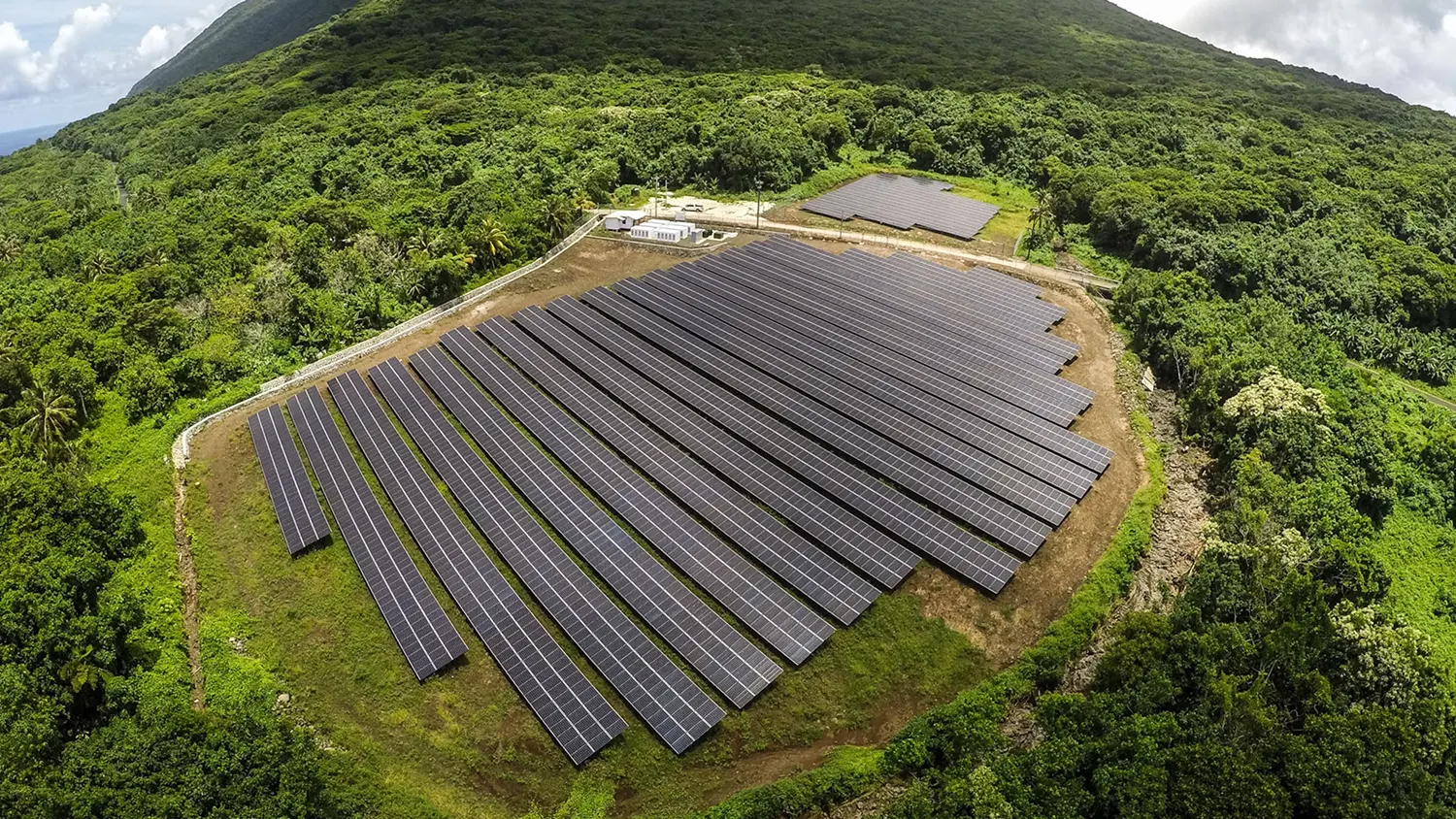
On Ta’u Island in American Samoa, a microgrid has enabled a full energy transition. The project deployed over 5,000 solar panels and energy storage systems, shifting the island from 100% diesel-dependent power to almost entirely solar-powered electricity.
Key Components of a Microgrid
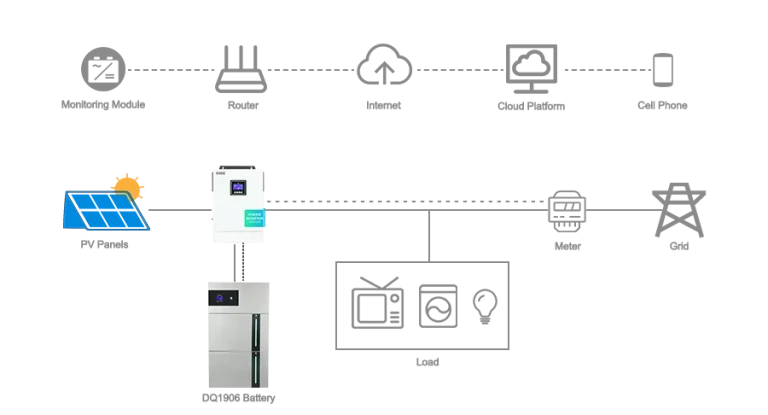
A complete microgrid system consists of power sources, energy storage systems, distribution infrastructure, control systems, and the point of common coupling (PCC).
Power Sources
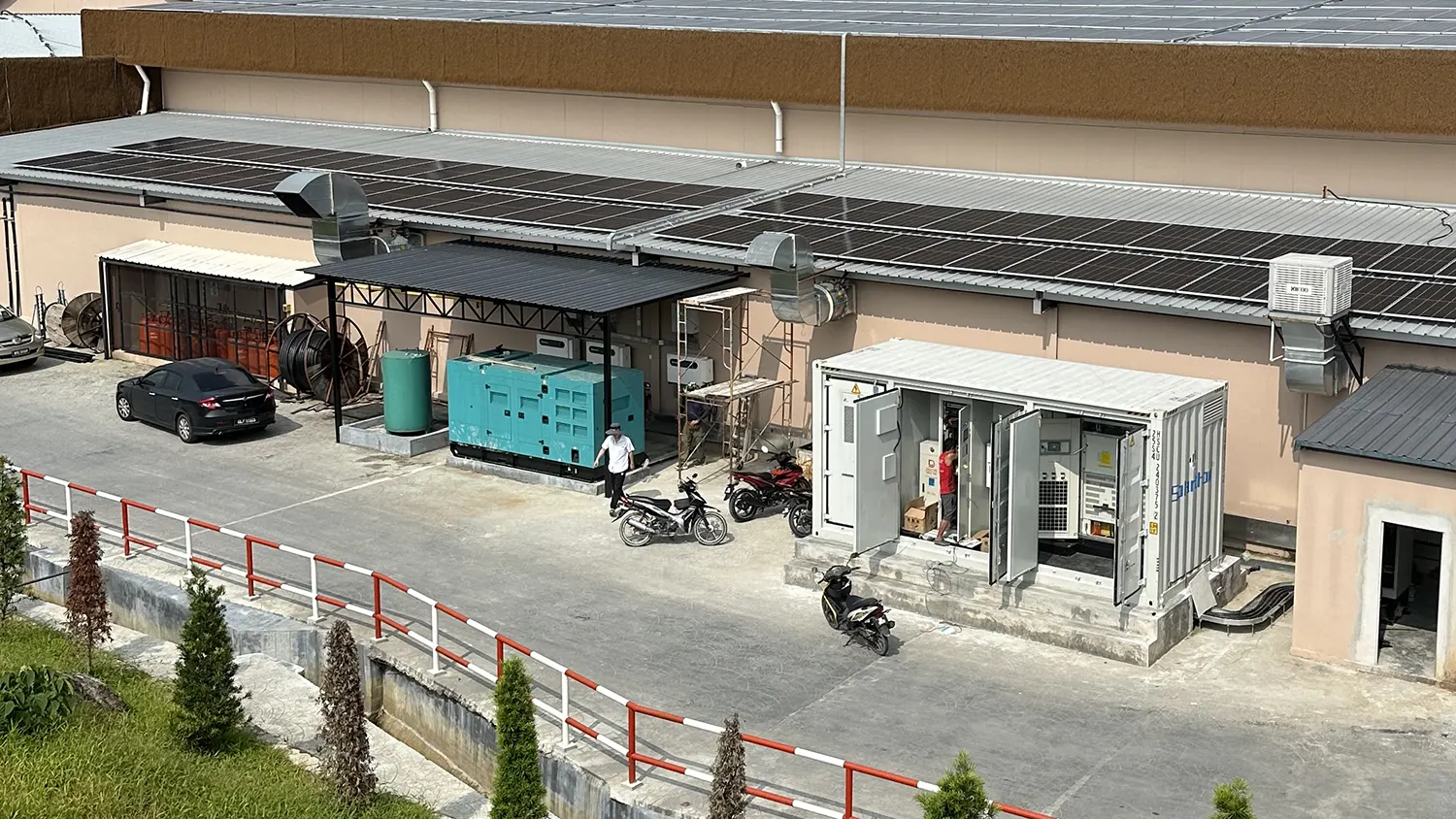
Power sources include renewable energy such as solar panels, wind turbines, and hydropower, as well as conventional distributed generation like diesel and biogas.
Energy Storage Systems
Energy storage systems, such as batteries or flywheels, store excess electricity generated by the microgrid and release it when needed.
Distribution Infrastructure
Distribution infrastructure, including power electronics inverters, converters, and transmission lines, enables conversion between different forms of energy, connecting distributed generation and storage devices to AC or DC buses to meet various load demands.
Control Systems
Control systems, comprising load management tools and metering devices, are responsible for balancing electricity supply, integrating renewable energy, managing storage, and maintaining power quality.
PCC
The PCC is the physical interface between the microgrid and the main grid. During a grid outage, the PCC can isolate the microgrid, enabling it to operate independently in island mode.
Design Considerations of a Microgrid
Main Grid Connection
When connected to the main grid, a microgrid can draw power from the grid to supplement local generation or feed excess power back to the grid. This design offers flexibility and allows optimization of energy usage based on actual demand.
If the microgrid is intended only to supply backup power to critical facilities during outages, the required generation capacity is lower than that of a fully off-grid system. Designers must determine the appropriate connection type and system size based on actual needs.
Load Requirements
The scale and cost of generation and storage typically depend on the community’s peak load—the maximum power demand at any given time during the year.
Based on the number and type of connected loads, the approximate generation capacity required for a microgrid is as follows:
| Microgrid Generation Capacity | Possible Connections |
| 5 kW | 1 home |
| 25 kW | 10 homes |
| 250 kW | 100 homes or 3 retail buildings |
| 500 kW | 200 homes or 5-6 retail buildings or 1 supermarket or 1 health clinic or 1 small school |
| 1.5 MW | 600 homes or 15-20 retail buildings or 4 supermarkets or 4-5 health clinics or 2-3 schools or 1 hospital |
Rules for Generating Microgrid Load Capacity
Connection Methods
The scale of a microgrid depends on the number of connected buildings and end-use loads, which directly impacts the required distribution equipment and cabling. The energy consumption of buildings or end loads also affects the type and scale of generation and storage. More connection points and higher individual loads increase the construction cost and system complexity.
Microgrid Costs
The cost structure of microgrid projects varies based on geography, scale, and complexity. However, historical data provide rules of thumb for estimating upfront investments for each system component.
Equipment procurement and labor costs account for approximately 75% of total costs, making up the majority.
| Component | Description | Percentage of Total Estimated Cost |
| Equipment and Installation | Procurement and labor costs | 75% |
| Construction Management | Construction supervision and project management costs | 15% |
| Design and Engineering | Electrical system inspection; supporting analysis; planning; environmental compliance documentation and permitting | 10% |
| Total | 100% |
Microgrid Development and Policy Subsidies
The microgrid market is rapidly expanding. According to Guidehouse Insights, the global microgrid market is projected to reach $55 billion by 2032. This growth is driven by multiple factors, including energy security needs, declining renewable energy costs, and government policy support.
In the U.S., the DOE Grid Deployment Office offers up to $5 billion in grants to enhance grid resilience against extreme weather, wildfires, and other natural disasters, providing crucial financial support for microgrid projects.
In Europe, to support the European Green Deal, the EU funds low-voltage DC microgrid pilot and demonstration projects in cities, with grants up to €7 million per project, aimed at improving energy efficiency and resilience in urban energy systems.
Through localized, independent, and intelligent design, microgrids balance resilience, economic, and environmental benefits. With falling renewable energy costs, increased extreme weather, and stronger policy support, the microgrid market will continue its rapid growth. Whether for communities, commercial parks, or critical infrastructure, microgrids are becoming indispensable components of modern energy systems, providing robust support for energy security and sustainable development.
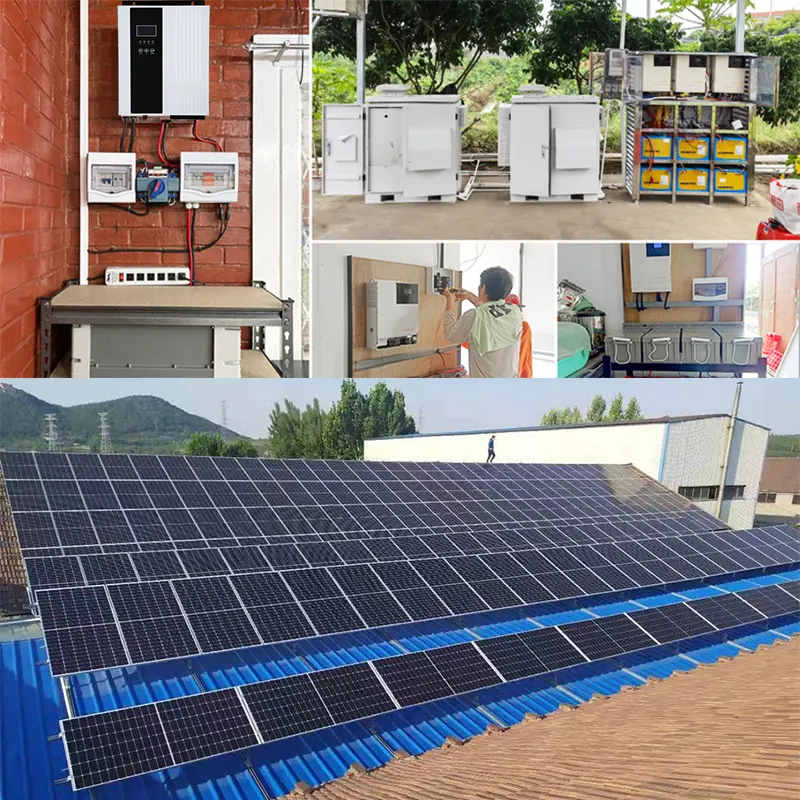
With our PV + storage solutions, you can rapidly build efficient, intelligent, and sustainable microgrid systems, achieving energy autonomy, reducing operational costs, and enhancing facility resilience and environmental impact.
share
 EN
EN  FR
FR  PT
PT  DE
DE  ES
ES  AR
AR  VI
VI  ID
ID