
Ngày 1 tháng 12 năm 2025
Máy phát điện di động là gì?
Ở nhiều khu vực, các sự cố mất điện đột ngột và tình trạng mất điện kéo dài đã trở thành một phần của cuộc sống hàng ngày. Dù là ở nhà, trong các hoạt động ngoài trời hay trong môi trường làm việc chuyên nghiệp, nhu cầu về nguồn điện đáng tin cậy và di động đang tăng nhanh chóng.
Một trạm phát điện di động ổn định, an toàn và dễ mang theo đã trở thành người bạn đồng hành không thể thiếu về năng lượng cho nhiều người. Nó khắc phục những nhược điểm chính của các máy phát điện truyền thống chạy bằng nhiên liệu, như tiếng ồn lớn, khí thải nặng và lo ngại về an toàn khi sử dụng trong nhà, đồng thời cung cấp một cách tiếp cận điện năng sạch hơn, linh hoạt hơn và thông minh hơn trong cuộc sống hiện đại.
Bài viết này cung cấp một giải thích hệ thống về các trạm phát điện di động, từ định nghĩa và nguyên lý hoạt động cho đến sự phổ biến ngày càng tăng, ứng dụng, khả năng cung cấp điện và các hướng dẫn lựa chọn, giúp bạn đưa ra quyết định thông minh nhất trong số nhiều sản phẩm có sẵn trên thị trường hiện nay.
Máy phát điện di động là gì?
Máy phát điện di động là một hệ thống cung cấp điện di động có thể sạc lại, được thiết kế để cung cấp nguồn điện ổn định khi mạng lưới điện truyền thống không khả dụng. Khác với máy phát điện chạy xăng hoặc diesel, máy phát điện di động sử dụng pin lithium có thể sạc lại và tích hợp bộ biến tần, hệ thống quản lý pin và nhiều cổng xuất, cho phép cung cấp cả điện AC và DC cho các thiết bị và đồ gia dụng khác nhau.
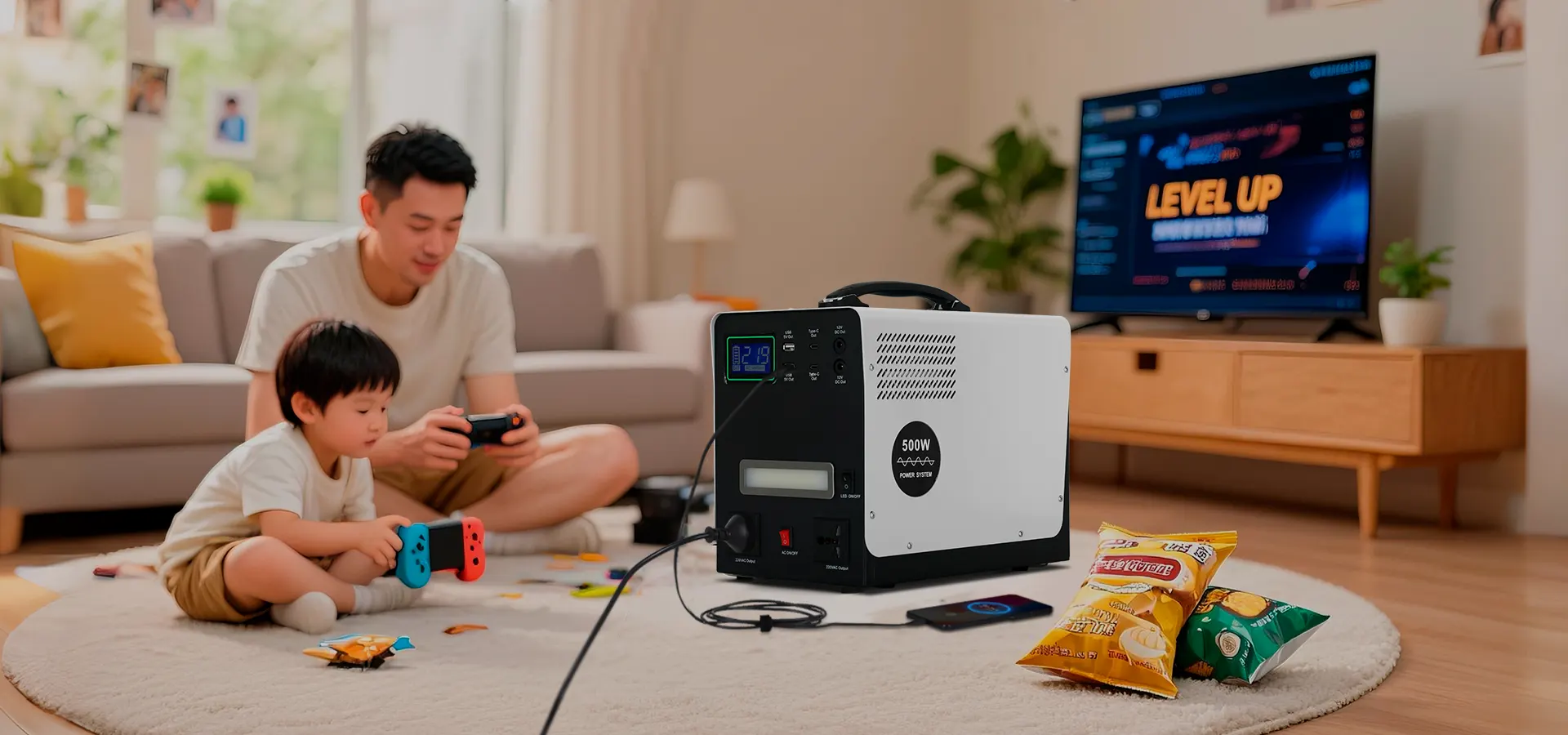
Dù là cho việc cắm trại, dự phòng khẩn cấp tại nhà, du lịch bằng xe RV hay hoạt động ngoài lưới điện, một trạm phát điện di động có thể nhanh chóng thiết lập một hệ thống điện linh hoạt, sạch sẽ và đáng tin cậy.
Cách hoạt động của các trạm phát điện di động
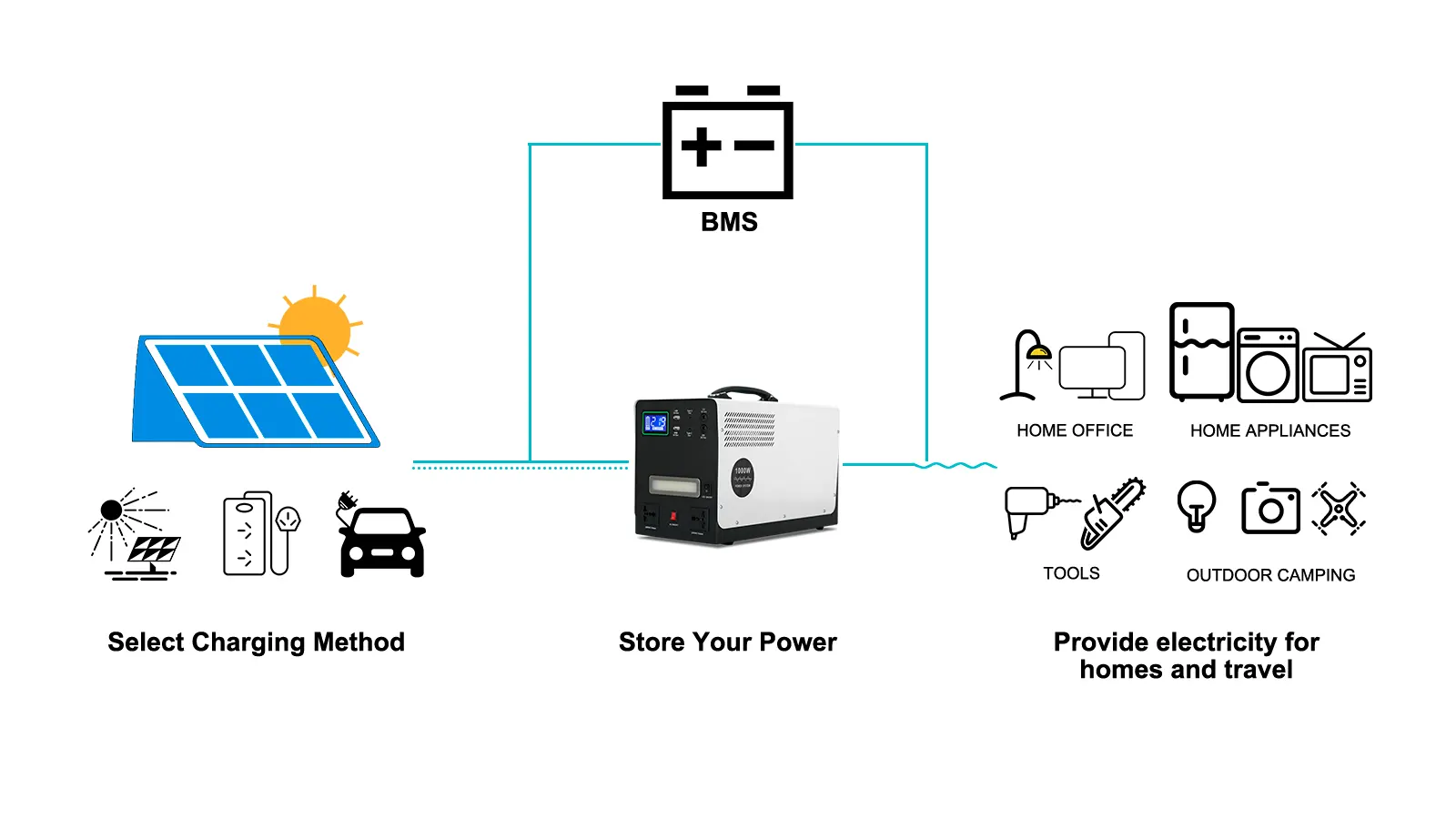
Quy trình hoạt động của một nguồn điện di động chủ yếu bao gồm bốn phần: sạc, lưu trữ năng lượng, xả điện và quản lý thông minh. Thông qua sự phối hợp của toàn bộ hệ thống, nó hoàn thành việc thu thập, lưu trữ và đầu ra ổn định của năng lượng điện.
Sạc
Sạc pin cho trạm sạc di động rất đơn giản. Thiết bị có thể được sạc lại thông qua ổ cắm điện gia đình, cổng sạc ô tô hoặc các tấm pin mặt trời di động.
Khi được kết nối với nguồn điện AC, mô-đun sạc bên trong sẽ chuyển đổi dòng điện xoay chiều thành dòng điện một chiều phù hợp với pin. Dưới sự giám sát của Hệ thống Quản lý Pin (BMS), dòng điện sạc được điều chỉnh thông minh dựa trên điện áp, dung lượng và nhiệt độ để đảm bảo quá trình sạc an toàn và hiệu quả.
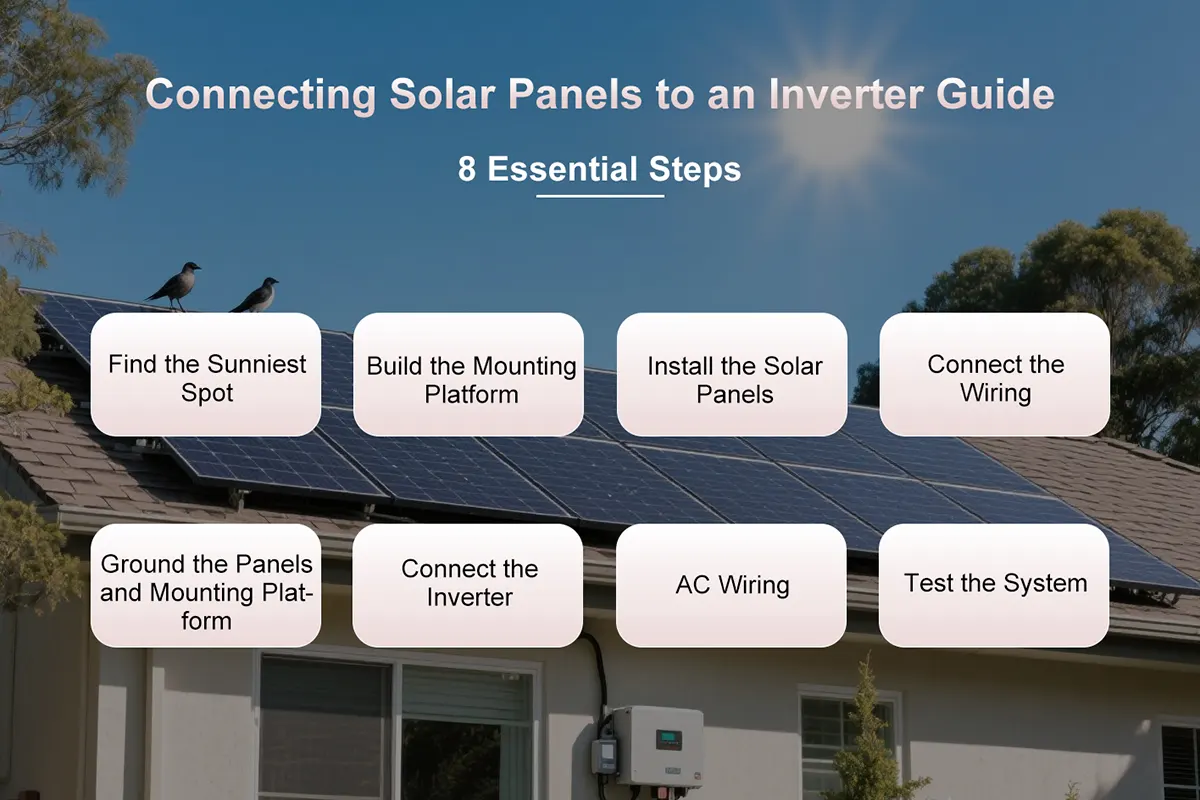
Đối với người dùng thường xuyên ở ngoài trời trong thời gian dài, việc kết hợp thiết bị với tấm pin mặt trời sẽ tạo ra một hệ thống sạc độc lập với lưới điện. Bằng cách thu năng lượng mặt trời vào ban ngày, trạm sạc có thể sạc lại một cách bền vững và hoạt động độc lập cho đến khi năng lượng lưu trữ cạn kiệt.
Lưu trữ năng lượng
Bên trong một trạm phát điện di động, các pin sạc lại lưu trữ điện năng dưới dạng năng lượng hóa học.
Các loại pin khác nhau có sự khác biệt về mật độ năng lượng, tuổi thọ và độ an toàn. Hầu hết các thiết bị hiện đại sử dụng pin lithium, cụ thể là pin LiFePO4 hoặc pin NCM, vì chúng có kích thước nhỏ gọn, cấu trúc nhẹ, mật độ năng lượng cao, tỷ lệ tự xả thấp và tuổi thọ chu kỳ dài.
Xả
Khi cần nguồn điện, pin chuyển đổi năng lượng hóa học trở lại thành điện một chiều (DC), sau đó được truyền qua các mô-đun đầu ra khác nhau:
- Đối với đèn LED và các thiết bị DC nhỏ, nguồn điện có thể được cung cấp trực tiếp qua các cổng đầu ra DC.
- Đối với các thiết bị cần nguồn điện xoay chiều (AC), như laptop hoặc các thiết bị gia dụng, bộ biến tần tích hợp sẽ chuyển đổi điện một chiều (DC) thành nguồn điện xoay chiều (AC) tiêu chuẩn để đảm bảo hoạt động an toàn.
Dù là cho các thiết bị gia dụng, thiết bị di động hay thiết bị điện tử ngoài trời, các trạm phát điện di động có thể cung cấp nguồn điện đáng tin cậy cho nhiều loại thiết bị khác nhau.
Quản lý thông minh và bảo vệ
Các trạm phát điện di động được trang bị hệ thống quản lý pin thông minh (BMS) theo dõi liên tục điện áp, dòng điện và nhiệt độ. Chúng cung cấp các tính năng bảo vệ như chống sạc quá mức, xả quá mức, quá dòng và ngắn mạch để đảm bảo an toàn và kéo dài tuổi thọ pin.
Các thiết bị này cũng được trang bị các chức năng hiển thị mức pin, giám sát tải và điều khiển nhiệt độ. Người dùng có thể dễ dàng kiểm tra dung lượng pin còn lại và trạng thái hoạt động thông qua màn hình tích hợp hoặc đèn báo.
Tại sao các trạm phát điện di động lại phổ biến hơn?
Sự gia tăng của các trạm phát điện di động không phải là ngẫu nhiên. Chúng hoàn toàn đáp ứng nhu cầu ngày càng tăng về tính di động đồng thời vượt qua những hạn chế của các nguồn năng lượng truyền thống.
Theo dự báo của Fact.MR, thị trường trạm phát điện di động toàn cầu dự kiến sẽ tăng trưởng từ Từ 4,2 tỷ USD vào năm 2025 lên 30,3 tỷ USD vào năm 2035. Sự mở rộng nhanh chóng này cho thấy tốc độ mà các sản phẩm này đang trở thành giải pháp năng lượng chính thống.
Đối với những người yêu thích hoạt động ngoài trời, các trạm phát điện di động cho phép các thiết bị như bếp điện, hệ thống chiếu sáng, điện thoại, máy ảnh và thậm chí cả máy chiếu hoạt động bình thường ở những khu vực xa khu vực đô thị.
Đối với các hộ gia đình gặp sự cố mất điện, họ cung cấp nguồn điện dự phòng cho tủ lạnh, bộ định tuyến, thiết bị y tế CPAP và các công cụ liên lạc.
Đối với các nhiếp ảnh gia, kỹ sư đo đạc, đoàn làm phim và các đội thi công ngoài trời, trạm phát điện di động thường là nguồn điện đáng tin cậy duy nhất trong các môi trường không có lưới điện.
Không giống như máy phát điện chạy bằng nhiên liệu, các trạm phát điện di động hoạt động êm ái, không phát thải khí thải và có thể sử dụng an toàn trong nhà mà không gây ra khí thải độc hại. Chỉ riêng ưu điểm này đã thuyết phục nhiều hộ gia đình thay thế máy phát điện chạy bằng gas bằng các giải pháp sạch hơn và tiện lợi hơn.
Các thiết bị và đồ gia dụng nào mà trạm phát điện có thể xử lý?
Các trạm phát điện di động có thể hỗ trợ nhiều loại thiết bị điện tử và đồ gia dụng nhỏ, tùy thuộc vào công suất đầu ra và dung lượng pin của chúng.
Các ước tính sử dụng sau đây dựa trên GODE DQ1208 Trạm phát điện di động 1kW 1.228Wh và minh họa thời gian sử dụng dự kiến cho các thiết bị thông thường.
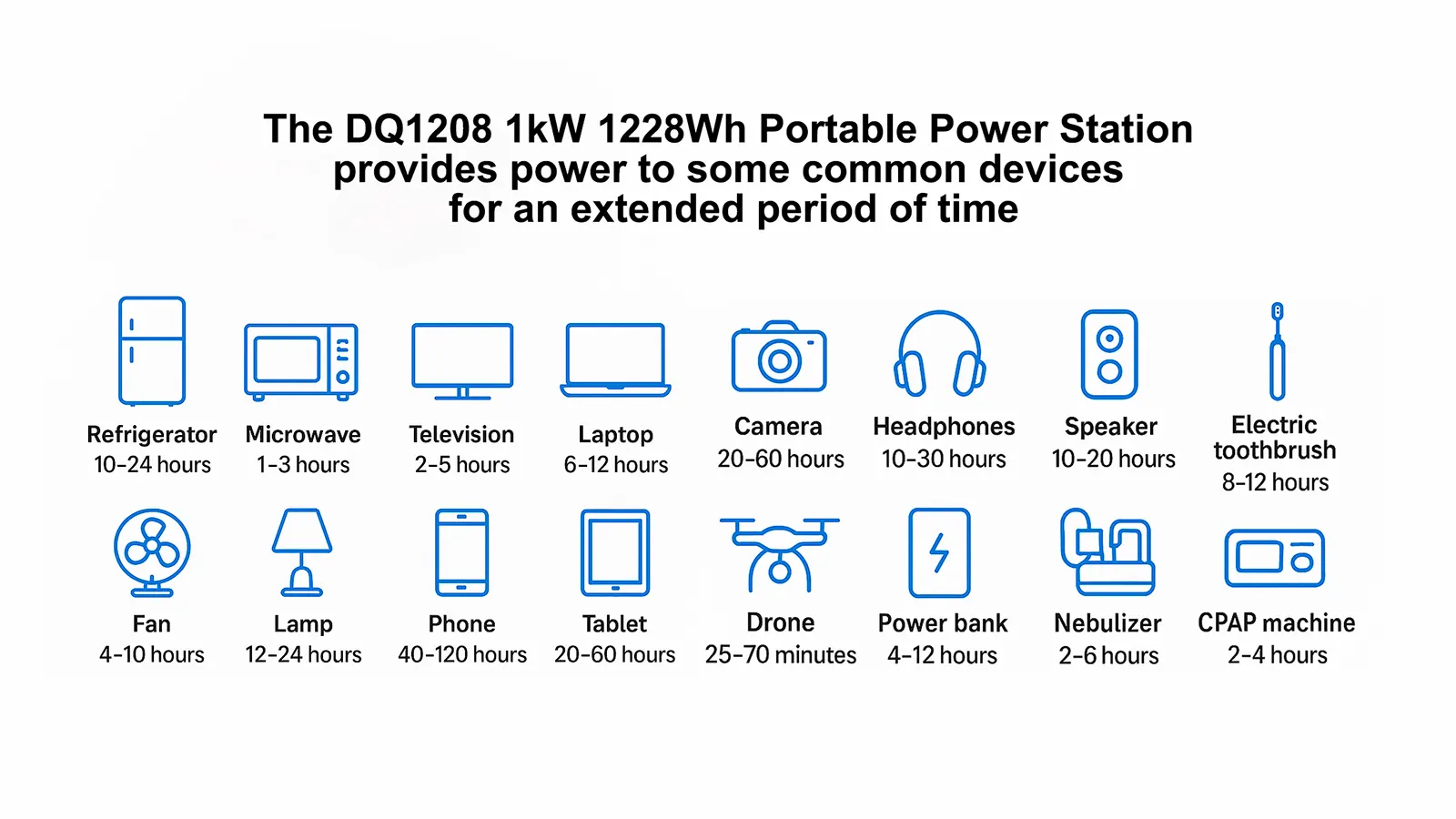
Trong trường hợp mất điện, biểu đồ minh họa cách phân bổ hiệu quả dung lượng pin của DQ1208 cho các thiết bị gia đình hoặc ngoài trời khác nhau. Thời gian hoạt động được liệt kê dựa trên mức tiêu thụ điện trung bình khi sử dụng một thiết bị duy nhất; việc cấp nguồn cho nhiều thiết bị cùng lúc sẽ làm tăng mức tiêu thụ và giảm tổng thời gian hoạt động.
Cách chọn trạm phát điện di động phù hợp
Dung lượng pin
Dung lượng pin là yếu tố quan trọng nhất quyết định thời gian hoạt động. Trong các tình huống khẩn cấp tại nhà, ít nhất 1000Wh được khuyến nghị để duy trì hoạt động của các thiết bị thiết yếu như tủ lạnh, quạt, router, đèn chiếu sáng và máy tính trong trường hợp mất điện.
Đối với các hoạt động cắm trại, dã ngoại hoặc các chuyến đi ngắn, một thiết bị có dung lượng từ 200–500Wh thường đủ để cung cấp năng lượng cho điện thoại, máy ảnh, máy bay không người lái và đèn chiếu sáng cơ bản.
Công suất đầu ra
Công suất liên tục và công suất đỉnh quyết định loại thiết bị nào có thể được cấp nguồn. Nếu bạn cần sử dụng tủ lạnh mini, bếp nướng điện hoặc nhiều thiết bị cùng lúc, bạn cần chọn mô hình có công suất cao hơn.
Các thiết bị chạy bằng động cơ thường yêu cầu công suất khởi động cao, do đó việc lựa chọn thiết bị có công suất đỉnh mạnh mẽ sẽ đảm bảo tính ổn định và ngăn ngừa tình trạng ngắt mạch hoặc hư hỏng.
Loại pin
So với các loại pin lithium-ion truyền thống, pin LiFePO4 mang lại độ an toàn cao hơn, độ bền tốt hơn và tuổi thọ chu kỳ dài hơn.
Nếu bạn dự định sử dụng trạm phát điện thường xuyên, để nó trong xe ô tô trong thời gian dài hoặc dựa vào nó cho các tình huống khẩn cấp tại nhà, LFP là lựa chọn tiết kiệm chi phí hơn trong dài hạn.
Tốc độ sạc
Sạc nhanh là yếu tố quan trọng trong các tình huống khẩn cấp. Nhiều trạm sạc hiện đại hỗ trợ sạc nhanh, với một số mẫu có thể đạt dung lượng 80% trong vòng chưa đầy một giờ—đặc biệt hữu ích trong các khoảng thời gian ngắn để khôi phục nguồn điện.
Cổng và Tương thích
Sự đa dạng của các cổng kết nối có ảnh hưởng trực tiếp đến khả năng tương thích của trạm phát điện. Các cổng AC, USB-C/USB và cổng sạc ô tô cho phép tương thích với nhiều loại thiết bị khác nhau.
Một loạt cổng kết nối đa dạng đảm bảo nguồn điện ổn định và linh hoạt, dù ở nhà, trên đường hay tại các công trường ngoài trời.
Các yếu tố khác như loại biến tần, hiệu suất làm mát và kiểm soát tiếng ồn cũng cần được xem xét để đảm bảo trạm phát điện đáp ứng được nhu cầu thực tế và hoạt động đáng tin cậy khi cần thiết nhất.
Trạm phát điện di động GODE DQ1208 sử dụng pin LiFePO4, trang bị nhiều cổng AC/DC và màn hình LCD, đồng thời hỗ trợ sạc nhanh bằng năng lượng mặt trời lên đến 600W, là giải pháp nguồn điện lý tưởng cho cả nhu cầu dự phòng tại nhà và du lịch ngoài trời.
Kết luận
Với tình trạng mất điện thường xuyên và nhu cầu ngày càng tăng về nguồn năng lượng đáng tin cậy, một trạm phát điện di động chất lượng cao đã trở thành công cụ thiết yếu cho cả gia đình và những người yêu thích hoạt động ngoài trời. Những thiết bị này không còn chỉ là pin dự phòng, mà còn giúp bảo vệ ngôi nhà trong những cơn bão, làm cho các chuyến phiêu lưu ngoài trời trở nên thú vị hơn và hỗ trợ các chuyên gia phụ thuộc vào nguồn điện ổn định.
Đầu tư vào một trạm phát điện di động có nghĩa là đầu tư vào sự tiện lợi, an toàn và độc lập. Khi kết hợp với tấm pin mặt trời phù hợp, nó cung cấp năng lượng mặt trời liên tục và miễn phí, giúp tạo ra một lối sống đáng tin cậy hơn, thân thiện với môi trường hơn và tự chủ hơn.
chia sẻ

 English
  Français
  Português
  Deutsch
  Español
  العربية
  Tiếng Việt
  Bahasa Indonesia